
PRODUCT UPDATES · APR 17, 2026 · 4 MIN READ
PRO-CTCAE grading pipeline: patient-reported symptoms reach a signed CTCAE grade
PRO-CTCAE check-ins now run through the same CTCAE grading workflow as clinician-entered notes. A clinician reviews the proposed grades, can override any of them with a rationale, and signs with an electronic signature aligned with 21 CFR Part 11. Plus one-step token reissue and app review fixes.
Burna AI Team
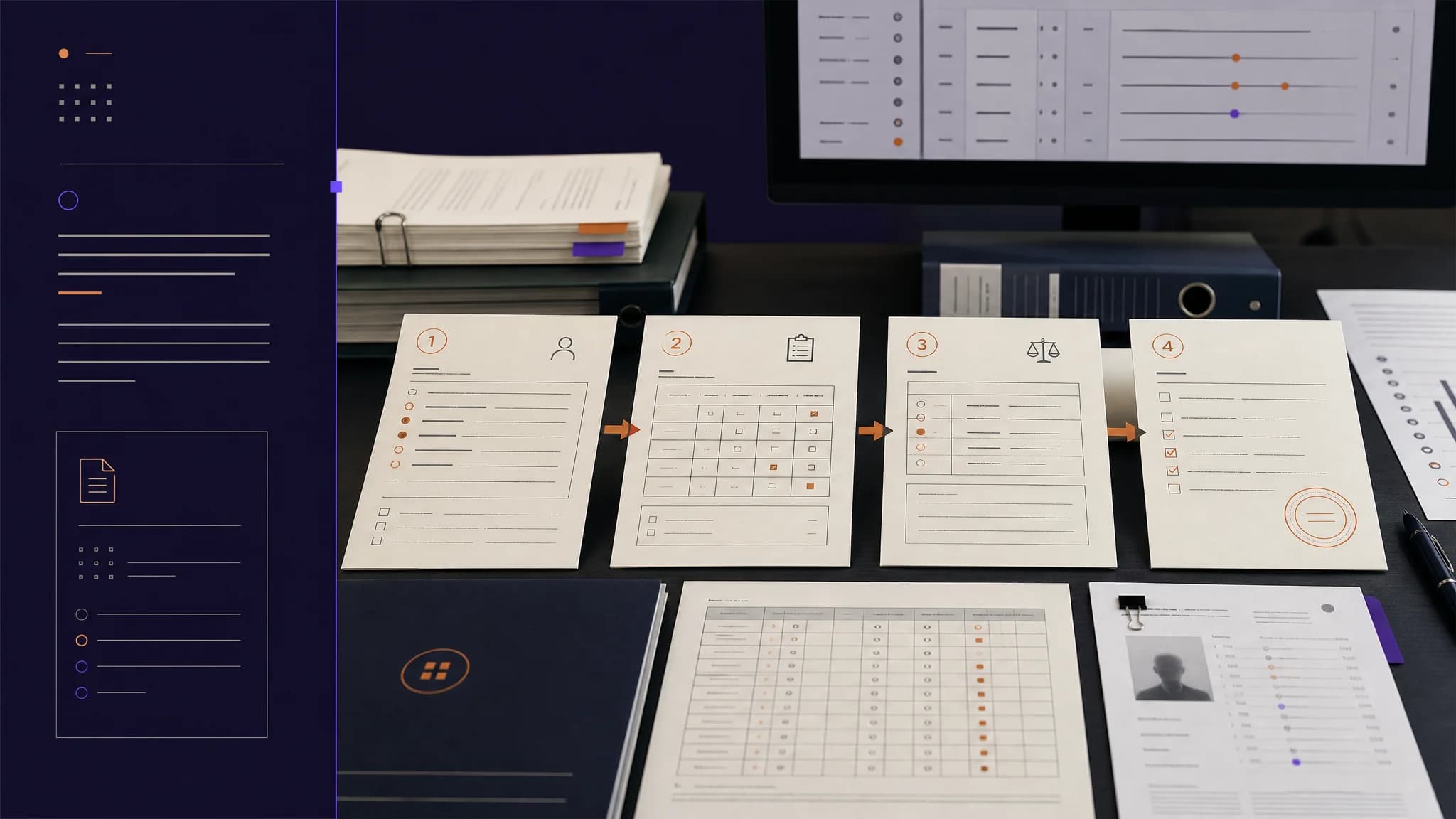
PRO-CTCAE check-ins now reach a signed CTCAE grade
The PRO-CTCAE grading pipeline runs a trial participant's PRO-CTCAE check-in through the same CTCAE grading workflow that reads a clinician's note. The workflow proposes terms and grades, and a clinician reviews and signs them. It shipped in Week 16 of 2026.
Research sites get patient-reported adverse events into the same graded, signed review as clinician-entered events, instead of a table of raw scores someone has to translate later.
The same week, organization admins gained a one-step way to reissue an expired enrollment link, the provider mobile app was prepared for app review, and the patient mobile app got a round of fixes.
How the PRO-CTCAE grading pipeline works
A check-in starts two workflows on the same submission. The existing symptom management workflow handles triage. The new bridge sends the submission through CTCAE grading. Neither one can hold up the participant. If grading fails, the submission is still saved and the participant moves on.
- The participant answers. The check-in records PRO-CTCAE answers on NCI's response scales, scored 0 to 4, for each symptom.
- A narrative is assembled. A deterministic helper, with no model call, turns each answer into the descriptor NCI publishes for it and adds the regimen, the treatment cycle and the visit window, so the submission reads like the clinical note the grading workflow expects.
- CTCAE grading proposes. The grading workflow suggests CTCAE terms and grades from that narrative, exactly as it does for a clinician-entered note.
- A clinician decides. The proposal appears in Symptom Management, where a clinician accepts it, overrides any grade with a written rationale, and signs.
The descriptors the helper uses come straight from the PRO-CTCAE response scales:
| Score | Frequency | Severity | Interference with usual activities |
|---|---|---|---|
| 0 | Never | None | Not at all |
| 1 | Rarely | Mild | A little bit |
| 2 | Occasionally | Moderate | Somewhat |
| 3 | Frequently | Severe | Quite a bit |
| 4 | Almost constantly | Very severe | Very much |
Patient-reported adverse events stay the patient's; the clinician sets the grade
PRO-CTCAE is the National Cancer Institute's patient-reported measure of symptomatic adverse events. NCI says it should be used and reported "in conjunction with the CTCAE reports gathered by clinicians," as information complementary to the clinician's assessment.
The pipeline follows that design. A participant's answers are their own report and are stored as given: nothing normalizes, infers or adjusts them on the participant's behalf. They are never themselves a CTCAE grade. The grade is a clinical judgment, proposed by the workflow and decided by the clinician who signs it. For a fuller introduction to the instrument, see what PRO-CTCAE is and how it sits beside clinician grading.
What the clinician's Part 11 e-signature captures
21 CFR 11.50 asks that a signed electronic record show who signed it, when, and what the signature means. Sign-off opens only once AI grading has finished, and only to a signed-in member of the organization that owns the submission. The Week 16 sign-off, aligned with 21 CFR Part 11, captured:
- Who signed and when. The signer and the time of signing are written to the submission.
- What the signature means. The sign-off dialog shows the statement the clinician confirms: "I have reviewed and approve these CTCAE grades as accurate." A SHA-256 hash of the signer, the time and that statement is generated at signing and logged with the sign-off.
- What changed. Every override keeps the proposed grade, the clinician's grade and the rationale side by side.
- That it is final. A signed submission cannot be signed a second time.
Symptom Management in the provider app
Symptom Management was rebuilt around this review. The list page has four tabs: Overview, All Submissions, Alerts and eCRF Status. The detail page shows the proposed grade, an edit dialog, the general CTCAE grade definitions with the proposed grade highlighted, and the sign-off step. Grade badges use the same colors as the rest of the app.
Reissuing a PRO enrollment token in one step
A participant whose enrollment link has expired is a gap in the data, not a lost participant. An organization admin can now reissue an expired PRO-CTCAE enrollment token from the PRO enrollment page. Reissuing generates a fresh credential on the same enrollment record with a new expiry date, and shows the new link once so the coordinator can copy it and send it to the participant. The old link stops working the moment the new one is issued.
App review fixes and patient app polish
Provider mobile app. Ahead of app review, stray configuration files were removed, the build configuration was tightened, the privacy policy screen was updated, and support contact details now come from one shared constant.
Patient mobile app. Adding a diary entry without an active trial now shows a clear "No active trial" screen that routes the participant to token entry, instead of a generic error. The home screen greets the participant by the first name on their linked health record profile. Help navigation no longer stacks duplicate screens, and placeholder phone and text-support options gave way to a working email contact.
Both apps. The mobile build toolchain was aligned across the two apps, and the provider app's recording and grade review screens were fixed so they always call the current version of their own functions.
What changed after Week 16
- Since July 2026, the provider web app has been retired in favor of app.burna.ai. Symptom Management and PRO enrollment, including token reissue, carry on under Trials there.
- Since August 2026, the trial participant app is Healthnotes, the participant app sponsors deploy through sites. A provider issues the PRO token and the participant opens it in Healthnotes.
- The provider mobile app is now CTCAE by Burna AI.
For the case for between-visit reporting, read between-visit symptom capture and the trial safety dataset.
AI suggests, clinicians decide. Human-in-the-loop, always.
Book a 15-minute conversation to see PRO-CTCAE grading on your own trial workflow.