
PRODUCT UPDATES · JAN 16, 2026 · 3 MIN READ
Mobile CTCAE grading, and a dashboard of recent cases
Week 3 of 2026 brought CTCAE grading results to the provider phone app, made CTCAE term search its main tab, added a recent-cases list for triage and kept sign-in alive through interruptions.
Burna AI Team
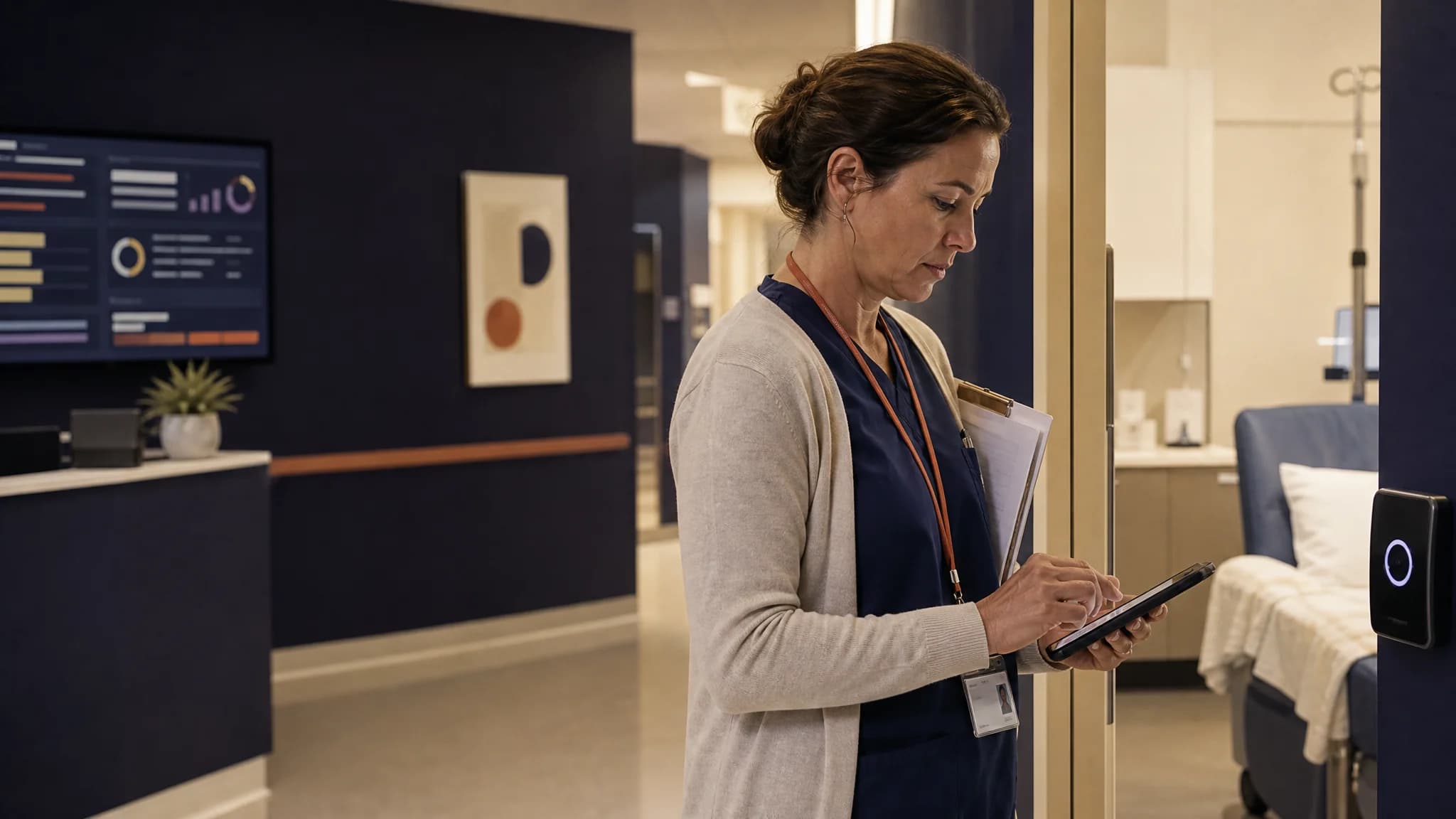
What shipped in Week 3, 2026
Mobile CTCAE grading puts a visit's grading results, CTCAE term search and a recent-cases list on the phone a research coordinator carries between rooms. In the provider app, it took shape between January 12 and 18, 2026: grading results opened on the visit screen, term search became the main tab, and the recent-cases list began showing which cases hold Grade 3 or higher events and which still wait for review. Sign-in also learned to survive an interruption.
Mobile CTCAE grading: results on the visit screen
On January 17, opening a visit on the phone began showing the outcome of its grading run: a clinical summary of the graded adverse events, the drug attribution analysis, and the visit's recorded audio. While a run is still in progress, the screen says so and checks again every 30 seconds.
This completes the loop that manual grading started the week before. Since January 9, a coordinator could search for a CTCAE term on the phone, read its definition and the definition of each grade, choose a grade and write the rationale the record keeps. With both in place, a coordinator can capture a visit, read the CTCAE grading when it lands and record a grade without returning to a workstation.
The reason is fidelity: a phone is what a coordinator carries between rooms, so a transient adverse event in an early-phase trial can be documented close to the encounter, while the detail is fresh.
CTCAE term search as the app's main tab
On January 14, the Home tab of the bottom navigation became Search. Coordinators can search symptoms, systems or terms, or browse CTCAE terms by organ system, from the moment the app opens. The app header also gained the Burna AI logo and title.
A recent-cases dashboard for triage
On January 16, the recording screen gained a list of recent cases. Each case shows:
- the patient
- the number of adverse events recorded
- the number graded 3 or higher
- whether the case is pending review or reviewed
A tap opens the case, and the cases screen filters by pending review or reviewed. Grade 3 or higher is a severity count under CTCAE. Seriousness is a separate determination made against regulatory criteria, so the list helps a coordinator decide what to read first rather than what to report.
Sign-in that survives an interruption
Coordinators get interrupted, so sign-in was rebuilt on January 14 to pick up where it left off:
- The email address and the one-time code persist. They are kept in app state that survives navigation, backgrounding and an app restart, so a code read in another app can be entered without starting over.
- A half-finished sign-in resumes at the code screen. Someone who has entered an email and is waiting on a code returns straight to verification.
- Protected screens explain themselves. When a signed-out user opens the cases or visit recording screen, the screen says what it holds and offers one button to sign in. The sign-in form itself became a single shared component, so every entry point behaves the same way.
Settings and smaller changes
- Settings were reorganized on January 14 into edit profile, get help with answers to common questions, legal documents, privacy and security, and an account deletion request.
- Settings gained a signed-out state, so the screen matches whether the user is signed in.
- The patient list and patient form gained updated colors, and the gender field no longer lists "Unknown" as an option.
Since then
- The provider app is now CTCAE by Burna AI, redesigned on September 14, 2026. A coordinator dictates or types what happened at the visit, the app returns a CTCAE grade and an attribution, each grade carries the evidence from the record it came from, and nothing is filed until the clinician signs.
- How the engine reaches a grade is set out in how Burna AI grades CTCAE.
See it on your own workflow
To see mobile CTCAE grading on your site's visits, book a 15-minute conversation.